Guide
What Is a Machine-Readable Resume? 2026 Guide
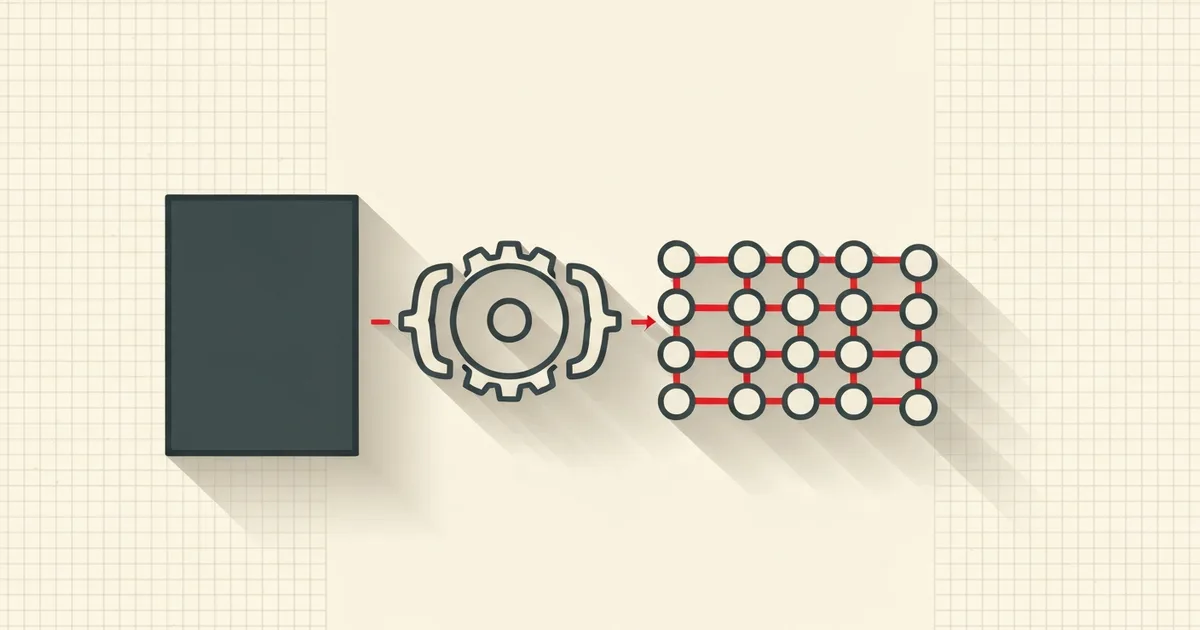
A machine-readable resume is career data software can parse without guessing. Here is what that means in 2026 and how cv.json gets you there.
Read the guidePlain-English guides on machine-readable resumes, ATS parsing, JSON resumes and where AI hiring is heading. From the team behind the open cv.json standard.
A machine-readable resume is career data software can parse without guessing. Here is what that means in 2026 and how cv.json gets you there.
Read the guideCan an ATS read a JSON resume? Most legacy parsers still want PDF or DOCX text, but AI recruiters increasingly read clean structured data directly.
Read the guideAn ATS-friendly resume format keeps one column, real text, and standard headings so parsers like Workday and Greenhouse read every field.
Read the guidePDF is a frozen picture machines must guess at. JSON is clean labeled data a parser reads field by field. See what AI recruiters prefer and why cv.json gives both.
Read the guideThe best resume format for AI screening is clean, structured, machine-readable data. Here's what AI scoring tools reward and what quietly fails.
Read the guideMake your resume machine-readable: real text, one column, named fields, a stable URL, and discovery so AI recruiters and ATS parse it cleanly.
Read the guideJSON Resume vs cv.json compared field by field. See what cv.json adds: auto-discovery, versioning, hiring signals, and privacy by default.
Read the guideCompare resume schema standards: schema.org, JSON Resume, Europass, HR-Open LER-RS, and cv.json. What each does, who reads it, and which to pick in 2026.
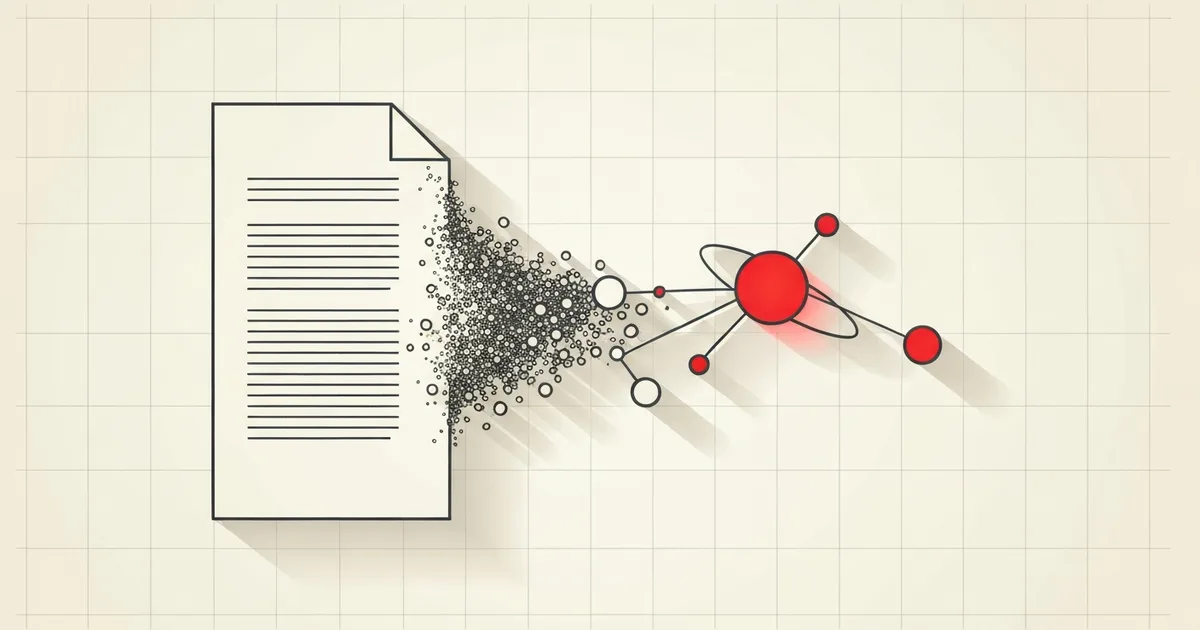
Read the guideThe future of resumes is machine-readable. Here is how AI hiring reads CVs first, what stays human, and why structured career data wins.
Read the guideHost your resume as one JSON file at a stable URL. Build with FreeCV or self-host, add discovery, keep it current, share with recruiters and AI.
Read the guide